
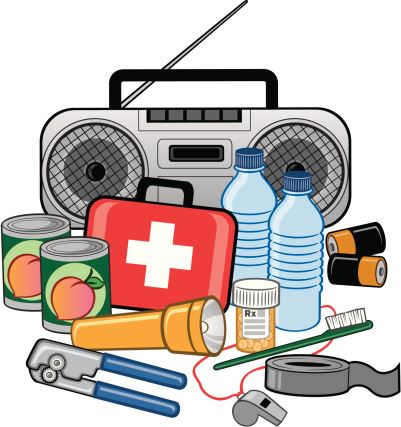
While most power outages can be safely waited out at home, the flooding that swept Western Washington last week proved that’s not always an option. Ready.gov, a website run by the U.S. Department of Homeland Security, recommends emergency kits have some of these items:
- Water, preferably 1 gallon per person for several days
- Food, a steady nonperishable supply that’ll last several days
- Flashlight and extra batteries
- Device charges and power banks
- Scissors
- Soap and hand sanitizer
- Disinfecting wipes
- Prescriptions
- Over-the-counter drugs like pain relievers, antidiarrhea medication and allergy pills.
- Cash
- Important documents like insurance policies, bank information and birth certificates.
- A basic first aid kit
- A change of clothes
Each household’s needs vary. Kits should include essentials and optional items like toys for children or extra pet supplies. Consider your daily essentials and start from there.
At its core, an emergency kit only needs to cover basic survival and doesn’t have to be elaborate. And if you end up packing a bag quickly before evacuating rather than grabbing a prestocked kit, that’s still better than leaving with nothing.
To make a kit on a tight budget, Ready.gov recommends searching thrift stores and garage sales for items. Facebook Marketplace and Buy Nothing groups are also viable options for low or no-cost items.
 Real Life of an MSW