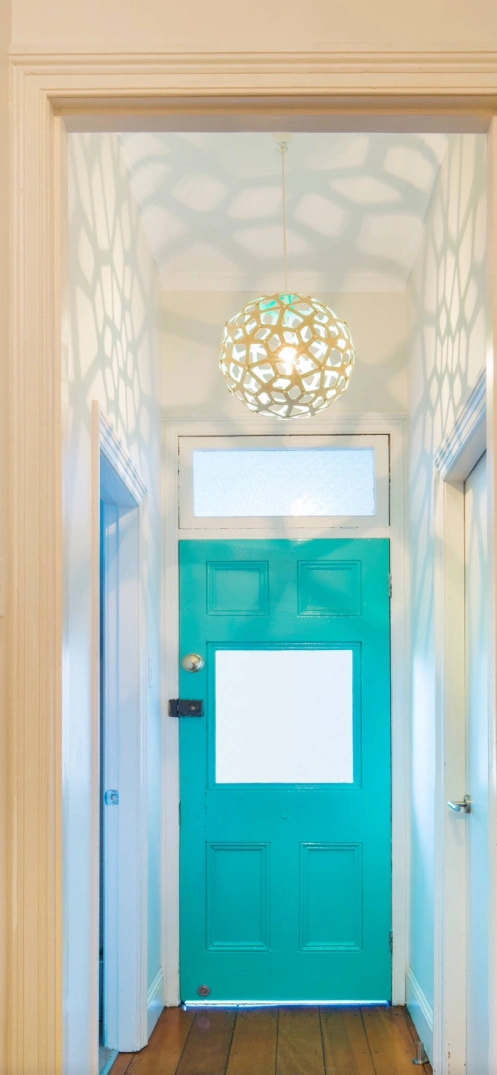
Sense of Sight

Learn to laugh about it “My husband and I have found growing older is best faced head-on with a good sense of humor! You have to admit, four adults out to eat dinner passing around one pair of readers (especially my cute pink pair) so we can all read the menu is funny! I love to have multiple pairs of readers and changing my look. My husband has just as much fun buying glasses as I do. It is not just vision — hearing loss, and having to guess what the other person just said, is almost funnier. (Did he really think I just said, “The ducks are going to be early tonight”?) Having watched parents and worked in health care, my advice on aging is laughter. The most well-adjusted seniors I know have a great sense of humor. Also, be kind to each other. It is inevitable that all these changes will occur, but this change also comes with a sense of calm confidence in who we are as older humans. Embrace it with joy.” — Lynn, 55

“The worst part of needing reading glasses is not being able to find them! I buy inexpensive (but stylish!) readers in quantity and keep them in a pretty bowl on the kitchen island. When the bowl is empty, it’s time to do a whole-house round-up and start over again.” — Elizabeth, 64

Posted in Reflections | Tagged , , , , , , , , , , | 6 Comments

10 Ways to Practice Daily Gratitude

  1. Keep a Gratitude Journal. Establish a daily practice in which you remind yourself of the gifts, grace, benefits, and good things you enjoy. Recalling moments of gratitude associated with ordinary events, your personal attributes, or valued people in your life gives you the potential to interweave a sustainable theme of gratefulness into your life.
  2. Remember the Bad. To be grateful in your current state, it is helpful to remember the hard times that you once experienced. When you remember how difficult life used to be and how far you have come, you set up an explicit contrast in your mind, and this contrast is fertile ground for gratefulness.
  3. Ask Yourself Three Questions. Meditate on your relationships with parents, friends, siblings, work associates, children, and partners using these three questions: “What have I received from __?”, “What have I given to __?”, and “What troubles and difficulty have I caused?”
  4. Share Your Gratitude with Others. Research has found that expressing gratitude can strengthen relationships. So the next time your partner, friend or family member does something you appreciate, be sure to let them know.
  5. Come to Your Senses. Through our senses—the ability to touch, see, smell, taste, and hear—we gain an appreciation of what it means to be human and of what an incredible miracle it is to be alive. Seen through the lens of gratitude, the human body is not only a miraculous construction, but also a gift.
  6. Use Visual Reminders. Because the two primary obstacles to gratefulness are forgetfulness and a lack of mindful awareness, visual reminders can serve as cues to trigger thoughts of gratitude. Often times, the best visual reminders are other people.
  7. Make a Vow to Practice Gratitude. Research shows that making an oath to perform a behavior increases the likelihood that the action will be executed. Therefore, write your own gratitude vow, which could be as simple as “I vow to count my blessings each day,” and post it somewhere where you will be reminded of it every day.
  8. Watch Your Language. Grateful people have a particular linguistic style that uses the language of gifts, givers, blessings, blessed, fortune, fortunate, and abundance. In gratitude, you should not focus on how inherently good you are, but rather on the inherently good things that others have done on your behalf.
  9. Go Through the Motions. Grateful motions include smiling, saying thank you, and writing letters of gratitude. By “going through grateful motions,” you’ll trigger the emotion of gratitude more often.
  10. Think Outside the Box. If you want to make the most out of opportunities to flex your gratitude muscles, you must look creatively for new situations and circumstances in which to feel grateful. Please share the creative ways you’ve found to help you practice gratitude.
Posted in Reflections | Tagged , , , , , , , , , | 5 Comments

Essential, Insufficient

I love the op-ed section of the paper. I believe we all need to write at least one letter on something we’re passionate about in our lifetime. In saying that, I applaud this reader

I am voting “no” on Proposition 1. Is it because I think it’s the wrong solution to our region’s mental health crisis? No. It appears to be a possible step in the right direction to help address this issue.

But, once again, property owners are looked to as the perennial piggy bank to fund another regional project. My property taxes went up 26% this year alone. Enough is enough! – Gary Weimann, Sammamish

As a doctor specialized in primary care and addiction who has worked in downtown Seattle for the last five years, it sickens me that the most common result of a profound mental health crisis is jail. The most common scenario involves waiting until people hurt themselves or others before we act despite often being able to predict an oncoming crisis.

Proposition 1 is far from perfect. Oftentimes, when people are in an acute mental health crisis they aren’t aware of it and resist any help that’s offered. At these times, they are often dangerous to themselves or others and need involuntary therapeutic detainment. Jail is the opposite of therapeutic and often makes matters worse. The Proposition 1-proposed crisis centers, as I understand them, are primarily being designed for those who seek care voluntarily. This is essential and also grossly insufficient.

I will vote yes on Proposition 1, but I will also continue to advocate vigorously for changes to our involuntary detainment rules and systems that make involuntary therapeutic detainment much easier to access, and that crucially provide care and services for people and those that care for them both before and after an acute mental health crisis.

Nancy Connolly, MD, MPH, FACP, Seattle


Posted in Reading | Tagged , , , , , , , , , | Leave a comment

Anonymous Employee

Sometimes I don’t know if my ability is being supported or questioned because of the sometimes inspiring and other times overbearing micromanaging.

Positively Purging-I welcome your feedbacks in the comments and your likes and passing the real life wisdom on to others as I embark on this new venture of “positively purging“, as I know each of these pieces represents something…

Posted in Reflections | Tagged , , , , , , , , , , , , , , , | 2 Comments

Outdoor Maintenance Tasks

Check your front door. Doors leading to the outside can be a key source of energy loss.

Maintain your roof. Roof maintenance is a critical part of ensuring your home is free of leaks and potential damage. Biannual or annual check-ups can go a long way towards keeping your home in good condition.

Tree Maintenance. Dead trees can be a recipe for disaster, especially during a heavy storm. Removing dead trees and branches is a great way to maintain your home.

Monitor your HVAC system. A recommendation is a twice-a-year checkup as you change your system between heating and air conditioning.

Refill driveways. Your driveway undergoes continuous heavy-duty usage. Repaving or adding fresh gravel can help to prevent potential accidents or damage.

Evaluate lighting. Pathways and entries should be well lit.

Check water connections. From your garden hose to outdoor kitchen faucets, ensure connections are tight and secure.

Power Wash. Power washing decks and the exterior of your home can help to make it feel renewed and refreshed.

Maintain landscaping. From pruning to mulching, proper maintenance can help to preserve the investment you have made to beautify your home.

Do an energy assessment. Making sure seals are tight around windows and doors as well as proper insulation of your home, can help save you money on heating and cooling your home.

Cathy Hobbs

Posted in DIY💭 | Tagged , , , , , , , , | 3 Comments