The next book on the pile was Fern Michaels’ Vegas Sunrise, flipping it over to read the synopsis in big letters it read “The spellbinding conclusion to the Vegas Trilogy”. I checked my inventory sheet even though I knew I didn’t own any of Fern’s other books. This book was given to me years ago at a garage sale, when a kind, humorous mother was trying to get rid of her college kids’ collection of romance novels, and with every purchase every customer got a free book. I placed the book on my mail table as a reminder to place it in my local Free library. With so many books already piled up in my corner, this trilogy would have to be a pass for me. This brings me to a plethora of questions. Have you read this trilogy, am I missing out? How do you feel about books that are written as series? Have you picked up a book in a series, and then gone back to read the rest of the series? What draws you to a book? Do you complete every book you pick up (those who are familiar with me know I have a 50-page rule), and what are you currently reading? Yes, audio books count!
Start by asking yourself: What did I set out to do? What happened? (This question isn’t about focusing on how you “screwed up,” Dr. Edmondson said. It’s about dispassionately examining the facts.) Is it possible to make amends or course, correct? Exploring these questions, or even journaling about each one, can keep you from panicking, or blowing your failure out of proportion, she said. Learn how to pivot. Rather than wallowing in shame after a setback, focus instead on what you can do to move on or change direction….Measure your success on progress and learning. “A failure is an end, but a pivot looks forward rather than backward,” she said. “It’s about possibility.”
Positively Purging-I welcome your feedbacks in the comments and your likes and passing the real life wisdom on to others as I embark on this new venture of “positively purging“, as I know each of these pieces represents something…
I know I need to see a therapist. I suspect I am picking at details to stall, but I get hung up on the question “Have you had suicidal thoughts?” from the intake forms. I did a depression screening sheet at my primary care and I put “never” because, frankly, I was afraid if I put yes, I might get involuntarily admitted to a psych ward. As it was, answering truthfully other than that, what I thought would rate as mild depression my physician assessed as more than that. I know I am not in imminent danger of suicide, because I have accepted not putting that burden on my 90-year-old mother. But yes, I do see it as a reasonable solution down the road. I do look forward to the day when I can feel the freedom to make that choice if I feel it is warranted. I do have carefully thought-out plans to ensure it is complete if I do so choose. Part of me feels all of this is more an argument for how I am not suicidal, but part of me wonders if this counts as suicidal thoughts in the diagnostic sense of the question. Or is answering yes just being melodramatic, because the question is meant to help those in a current crisis state? — Anonymous
Anonymous: Yes, you have had suicidal thoughts, so please check that box. The question is meant to help your providers determine how to treat you, and they can’t do that if you withhold key information.
Just as an example, they may prescribe something for you that they wouldn’t prescribe for someone who has had suicidal ideation, or they may provide less frequent supervision. Meanwhile, a yes to “Have you had suicidal thoughts?” can mean you had them 10 years ago or a month ago or yesterday, so there are a lot of steps between an intake form and an involuntary commitment.
I certainly won’t argue that any health system or set of protocols is perfect, but in my experience, you’re inviting more error and suffering by lying on your form than you are by telling the truth.
Please also humor me and memorize this number: 988 gets you to the Suicide and Crisis Lifeline.
And make that appointment. No more stalling, please.
Re: Intake: You can leave questions blank on a therapy intake form, or any medical form, for that matter. It will allow the therapist to ask you about it, and you can then provide a fuller, more nuanced answer than the checklist allows for — which then allows you to feel safer and better understood.
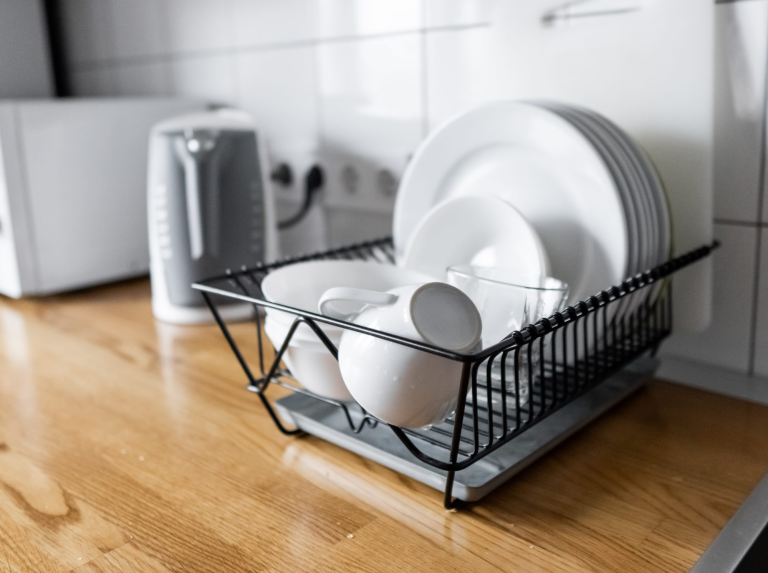
One of my clients had the epiphany that her struggle to cook interesting food was caused by the fact she wasn’t emptying her dishwasher. When clean dishes languished in the dishwasher, dirty dishes piled up in the sink, so often the bowl or pan she needed was not only dirty, but there wasn’t room to wash it. She started emptying her dishwasher, and cooking became more doable and more fun.
Over to you. Is clutter and disorganization killing your motivation to cook? Or maybe there’s another barrier. Are all of your knives dull? Do you need a few more cutting boards? Do you never seem to have the right size pot or pan? It can be hard to consistently muster up the energy to cook. Don’t let more easily remedied obstacles get in your way.
God show me how I can serve a friend or neighbor today, May I enjoy the freedom that comes by loving others as love myself.
Positively Purging-I welcome your feedbacks in the comments and your likes and passing the real-life wisdom on to others as I embark on this new venture of “positively purging”, as I know each of these pieces represents something…