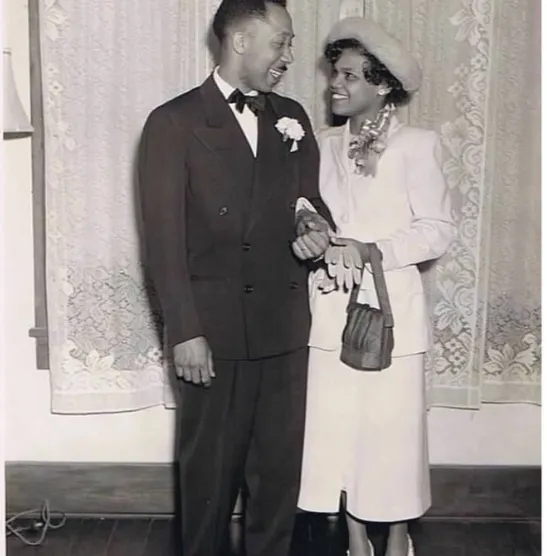
He left the bar of soap upside down in its dish, melting; played the car radio too loud; lost his phone hourly; ignored the closet and piled his shoes by the front door; hogged the coat rack with his jackets; ran the dishwasher with three plates in it; filled the driveway with derelict boats and cars. He brought me coffee in bed every morning, whispering, “Buongiorno, principessa.” He said I was the world’s best kisser, tolerated weekly ballroom dance classes, mimicked the cardinal’s song so well that I sometimes think he is still here. His ashes are. — Marze Murphy
Positively Purging-I welcome your feedbacks in the comments and your likes and passing the real life wisdom on to others as I embark on this new venture of “positively purging“, as I know each of these pieces represents something…
I’ve reached the age when more and more people I care about are sick, ailing or dying.
I’m sympathetic and want to offer words of comfort, but most of what I can think of to say is stilted, shallow and sounds insincere to me – even as I’m saying it.
Where can I find more eloquent speech for these unfortunate situations?
“Given how much of the time is spent talking to the doctor, rather than lying on the exam table, I’m always surprised that there aren’t comfortable chairs facing each other (like a therapist’s office) where the patient and doctor can speak directly to each other.” — Dan Groberg, Montpelier, Vt
“My mother is hearing-impaired. This means that when her turn at the doctor’s office arrives, she often doesn’t hear her name being called. How about giving people those pagers that restaurants use (the ones that light up and vibrate)?” — Helen Mango, Tinmouth, Vt.
“Keep the patient informed of the exam process by verbalizing each step before performing them, using everyday wording such as, ‘I am now going to gently place the speculum,’ rather than medical terminology.” — Eleanor McLees, Syracuse, N.Y.
“I’ve been horrified by what I’ve heard over shared walls. I recognize that most doctors are at the mercy of a larger establishment, but a cheap design improvement is acoustical panels. ” — Janet Roche, Boston, Mass.
“My main suggestion goes more to the structure of the time spent with the doctor: During the initial consultation, allow patients to keep their clothes on. When you stop and really think about it, the one-person-naked and one-person-fully-dressed scenario creates such a power imbalance as to be ridiculous.” — Pam Weinstein, Detroit, Mich.
“I’d advise that all medical personnel be required to have a uniform and name badge that is pinned above heart level, so patients quickly know who they’re talking to.” — Pam Horovitz, Mullica Hill, N.J.
“Rethink the constant weighing. For doctors who insist on weighing you at every visit, even for strep throat, move that scale out of the hallway and into an exam room. (One of my doctors has you weigh yourself in the exam room on a manual scale, and then leave it for a nurse to record.) And don’t weigh someone and then immediately take their blood pressure!” — Katherine Stanford, Alexandria, Va. “I would love doctors to ask if there is any past trauma they should be aware
“I would love doctors to ask if there is any past trauma they should be aware of. It’s really hard to disclose that kind of thing, but being asked shows that there is some awareness of the impact it has, especially in medical settings.” — Leah Skrzypiec, Brooklyn, N.Y.
“Something I saw at a family practice office that should be in every medical office everywhere: When I was handed my urine cup, I was also handed a slip of paper and a pen and was instructed to read the slip of paper carefully before I gave my sample. The paper said, ‘If you are experiencing any form of abuse, please check the box next to this paragraph and hand this piece of paper to the nurse along with the urine sample. If you check the box, you will receive private advice, alone with a doctor.’” — Dez Crawford, Portland, Ore.
“I’ll never forget accompanying a friend to a radiation treatment at a major Philadelphia hospital. The waiting room was full of people of all ages, presumably all battling cancer. What struck me were the dismal gray walls of the waiting room. I have a friend who is an artist and I wanted to just go in with him and start painting a vibrant, uplifting mural; we would likely be arrested, but it would be worth it. Physicians’ offices and treatment centers can create a comforting, positive environment by using colorful paints and murals to help take the patients’ minds away from the treatment they are about to experience.” — Denice Ferko-Adams, Nazareth, Pa.
“My first gynecologist had plastered the ceiling in her exam room with photos of hunky, ‘Baywatch’-style guys. It was brilliant because it gave you something to look at (and joke about) while your insides were being prodded.” — Christina Smith Anderson, Brooklyn, N.Y.
When we were 12, we caught bullfrogs in the weeds near the lake. Their slippery legs slid through our fingers. As we let them go, she squealed, pretending to be scared. One day she ate a Popsicle that turned her lips dark blue. “Are you cold?” I said, joking. We kissed, tentatively, like frightened fawns. I fell in love with her that summer, but we grew up, married other people, and lost touch. When I visited 60 years later, we shared our memories of that summer until our silences grew long, like shadows at a day’s end. — Henry Sackin
Positively Purging-I welcome your feedbacks in the comments and your likes and passing the real life wisdom on to others as I embark on this new venture of “positively purging“, as I know each of these pieces represents something…