The knives of jealousy are honed on details.” – Ruth Rendell
Positively Purging-I welcome your feedbacks in the comments and your likes and passing the real life wisdom on to others as I embark on this new venture of “positively purging“, as I know each of these pieces represents something…
‘Everybody in this room knows the basic rule: if you don’t have a seat at the table, you are probably on the menu.’ —Elizabeth Warren
Positively Purging-I welcome your feedbacks in the comments and your likes and passing the real life wisdom on to others as I embark on this new venture of “positively purging“, as I know each of these pieces represents something…
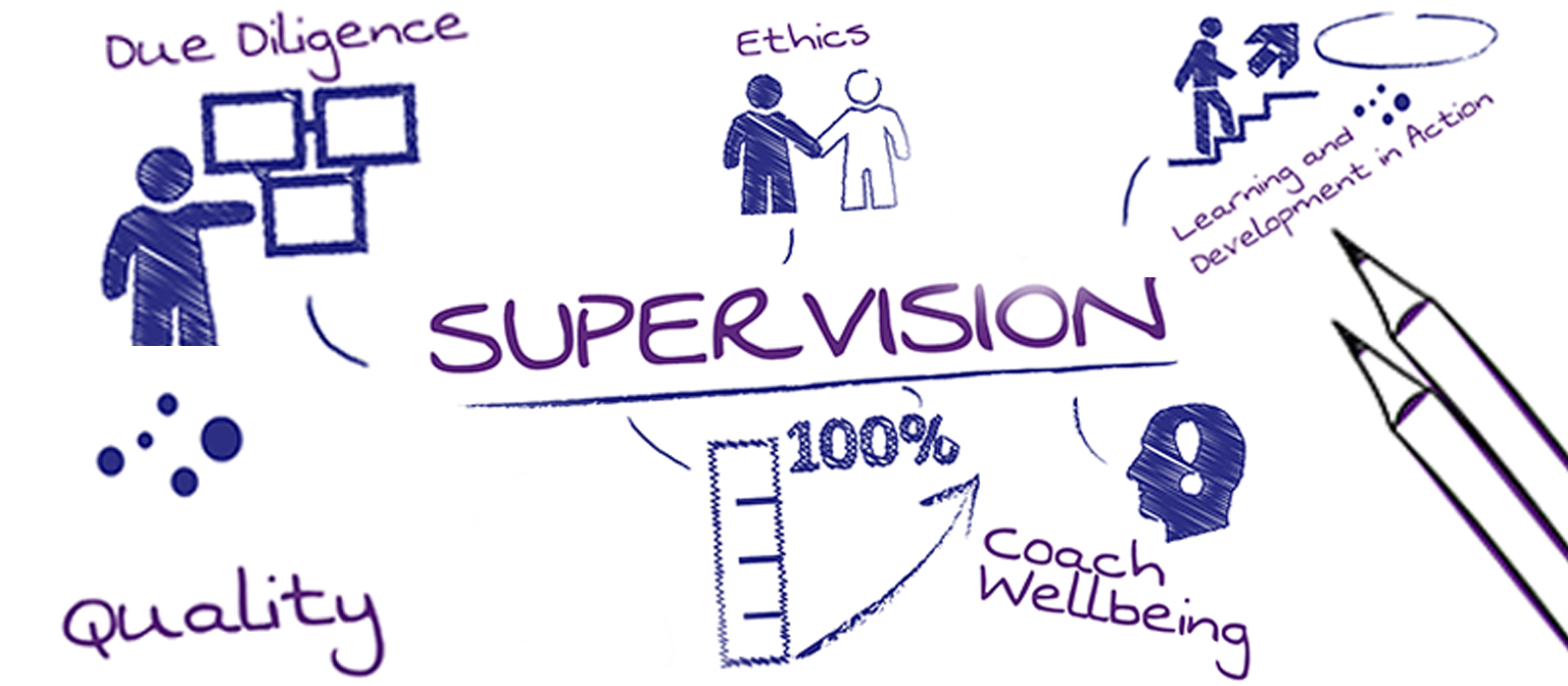
Clinical supervision, like the therapeutic relationship itself, starts with rapport building, establishes the purpose for supervision, and determines when the relationship will be terminated. Supervision is the relationship between supervisor and supervisee in which the responsibility and accountability for the development of competence, demeanor, and ethical practice takes place. The supervisor is responsible for providing direction to the supervisee, who applies social work theory, standardized knowledge skills, competency, and applicable uses for carrying out their role in this collaborative process. It is the supervisor’s responsibility to ensure that the supervisee provides competent, appropriate, and ethical services to the client. The proposed purpose of supervision is to enhance the social worker’s professional skills, knowledge, and attitudes to achieve competency in providing quality care, aiding in professional growth, development, and improving outcomes. Clinical supervisors can and should use all the skills they have developed as clinicians in a supervisory context. For example, a supervisor could provide feedback on what an individual might have missed in an assessment or what information might be useful for treatment planning and next steps. How do you know if you’re receiving clinical supervision? You meet on a regular basis with your supervisor to discuss client issues such as assessment, diagnosis, treatment options, barriers to care, medication support, etc.
Therapeutic Notes Things to remember about supervision:
How they act with you is most likely how they act with clients.
Supervision is a generic skill.
Supervision is a collaborative process.
Adjust to the learning style of the supervisee.
Supervision is an evolving developmental process.
Standards for Supervision. Have a written agreement between the employer, supervisee, and supervisor, making clear the employing agency should grant permission for supervisor to provide supervision.
Midway through 2020, I started planting seeds in my backyard. My daughter said, “You’ve wanted to do this for years. Do you like it?” “Yes,” I said. “I love it.” At the time, I didn’t realize I was growing more than tomatoes. Overwhelmed by the pandemic, my mother’s worsening dementia and the painfully quiet demise of a decades-long relationship, I was sowing a future. My head down and hands busy, I could hope. “You seem calmer even though everything is more difficult,” my daughter said. Yes. Planting new seeds is hard. Realizing old seeds are no longer growing is harder. — Karen Amster-Young
We need to get to the root of why people don’t behave the way society expects because everyone can be successful if given the right opportunity and support. There’s hope in creating safer communities that impacts families and generate positive outcomes -Karen Lee
Positively Purging-I welcome your feedbacks in the comments and your likes and passing the real life wisdom on to others as I embark on this new venture of “positively purging“, as I know each of these pieces represents something…

 Positively Purging-I welcome your feedbacks in the comments and your likes and passing the real life wisdom on to others as I embark on this new venture of “positively purging“, as I know each of these pieces represents something…