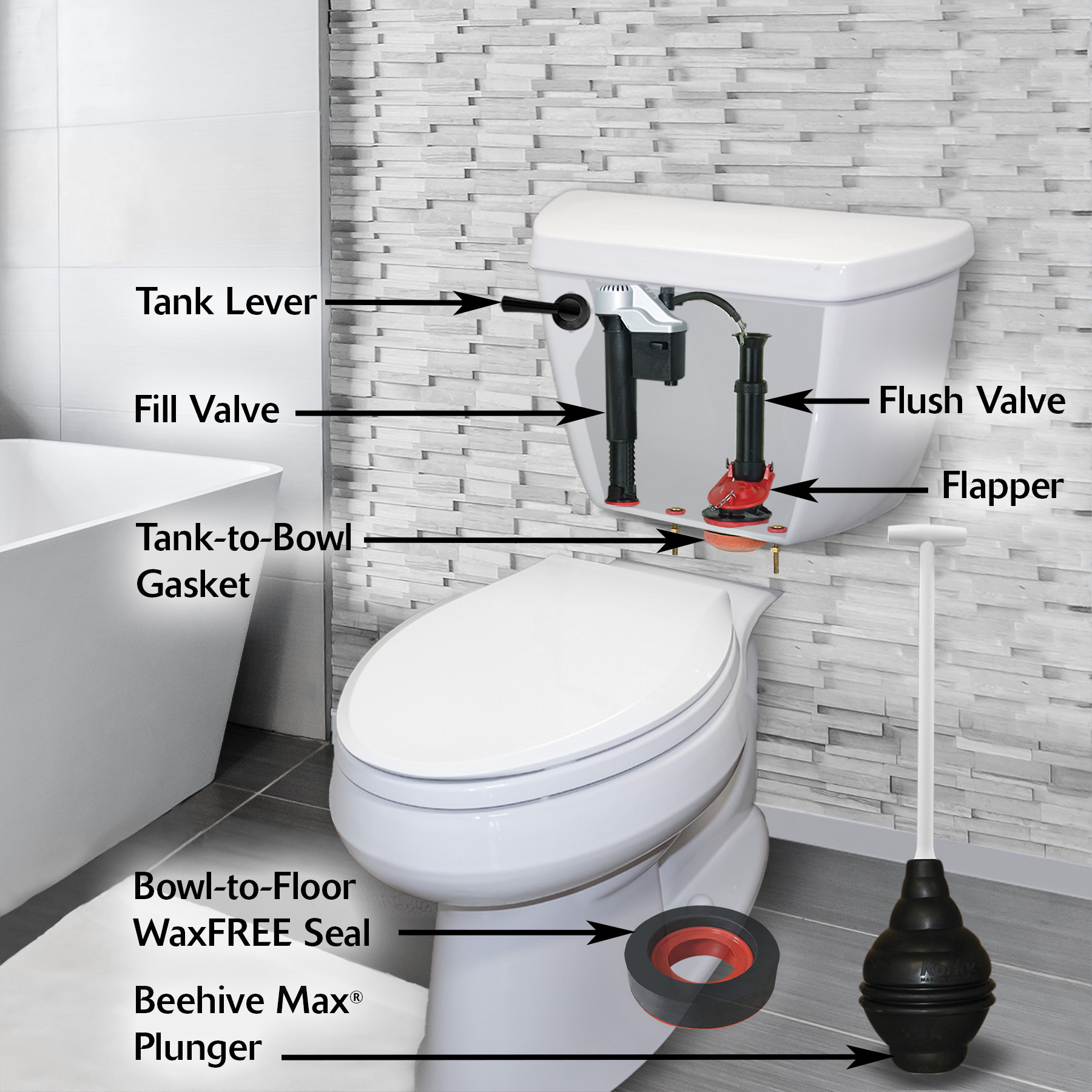
A fill valve and flapper inside the tank let water in and out. Most toilet issues begin there.
“If you hear water constantly running, you want to check your fill valve and flapper,” says David Rea, owner of Queen Anne Handyman. “With the fill valve, water may be spilling over the top. Flappers wear out over time and water seeps underneath them.”
To fix them, first shut off the water line and drain the tank. Then, screw in a new valve or attach a new flapper. Together, they cost less than a movie ticket and popcorn. – Marc Freeman
Positively Purging-I welcome your feedbacks in the comments and your likes and passing the real life wisdom on to others as I embark on this new venture of “positively purging“, as I know each of these pieces represents something…
The smallest of changes to your daily habits will really encourage harmony and peace in your life.
Positively Purging-I welcome your feedbacks in the comments and your likes and passing the real life wisdom on to others as I embark on this new venture of “positively purging“, as I know each of these pieces represents something…
RAVE to the woman I passed on the trail Sunday morning in Carkeek Park, walking with her partner, who pointed out the downy woodpecker in the bush off the trail. After all these years walking through that park, I have never seen one of these smaller variety of woodpeckers. Thank you for pointing it out and making my day that much more delightful.
RAVE to the folks at Ivar’s in Mukilteo who rescued my cane from Puget Sound! It accidentally slid from their deck and it floated, but we couldn’t get it with any tool, so it seemed gone. We sat down to eat and two people came carrying it to me. They had climbed down the barrier wall, grabbed it and delivered it!
RAVE to the lovely lady who helped me when my back gave out the other day at Best Buy. She got me a wheelchair and pushed me to my car. We are surrounded by kind neighbors!
RAVE to runners, dog walkers and cyclists who wear high-visibility clothing to help us see you.
RAVE to Meyer Medical/Bridge Disability Ministries — they maintain a large and varied array of donated medical equipment, with helpful staff who can help find what someone needs, as well as repair equipment from their shop. We found a good wheelchair for my son there which they adapted for his specific needs, and we’ve been back twice for adjustments. A new wheelchair would have been very costly. Meyer Medical provides a terrific service!
RANT AND RAVE Rant to the many broken sidewalks in Seattle, including the one where I face-planted. Rave to the four people who stopped to help me and stayed until they knew I was all right, including the construction worker who brought a first-aid kit to help stop the bleeding and a woman who walked me into the Ballard Walgreens to ask her friend who worked there to let me use the restroom to clean up (between scrapes and blood on my face and hands, I was a pretty scary sight).
RAVE to the two stellar Fauntleroy ferry workers who rescued us the day before Thanksgiving! Our battery died while waiting in line to go to Vashon for the long weekend, and we were “that car” holding everyone up. The woman directing traffic onto the boat handled it all with grace and a smile and the woman who ran like lightning down from the tollbooth with a portable battery was just as awesome. They got us fired up and on the same boat in no time, and their attitudes made our day!
A hard lesson I learned recently is… Today my younger self needs to know that… I pushed outside of my comfort zone this week by…
Positively Purging-I welcome your feedbacks in the comments and your likes and passing the real-life wisdom on to others as I embark on this new venture of “positively purging”, as I know each of these pieces represents something
Ritual is necessary because there are certain problems that cannot be solved with words alone.” — Malidoma Patrice Somé
Positively Purging-I welcome your feedbacks in the comments and your likes and passing the real life wisdom on to others as I embark on this new venture of “positively purging“, as I know each of these pieces represents something…